

Andy Burnham has been appointed Britain’s 59th Prime Minister, prompting London Councils — the cross-party body representing all 32 London boroughs and the City of London Corporation — to offer its congratulations and pledge full cooperation with the new administration.
The organisation, which acts as the collective voice of local government across the capital, said it stands united in its readiness to work alongside Burnham’s government as it confronts what it described as some of the most significant challenges Britain has faced in the post-war era.
Burnham, who served as Mayor of Greater Manchester from 2017 and built a national profile through his handling of public health, transport and devolution policy, becomes Prime Minister at a time of considerable pressure on public services, household finances and regional economic disparities across the United Kingdom.
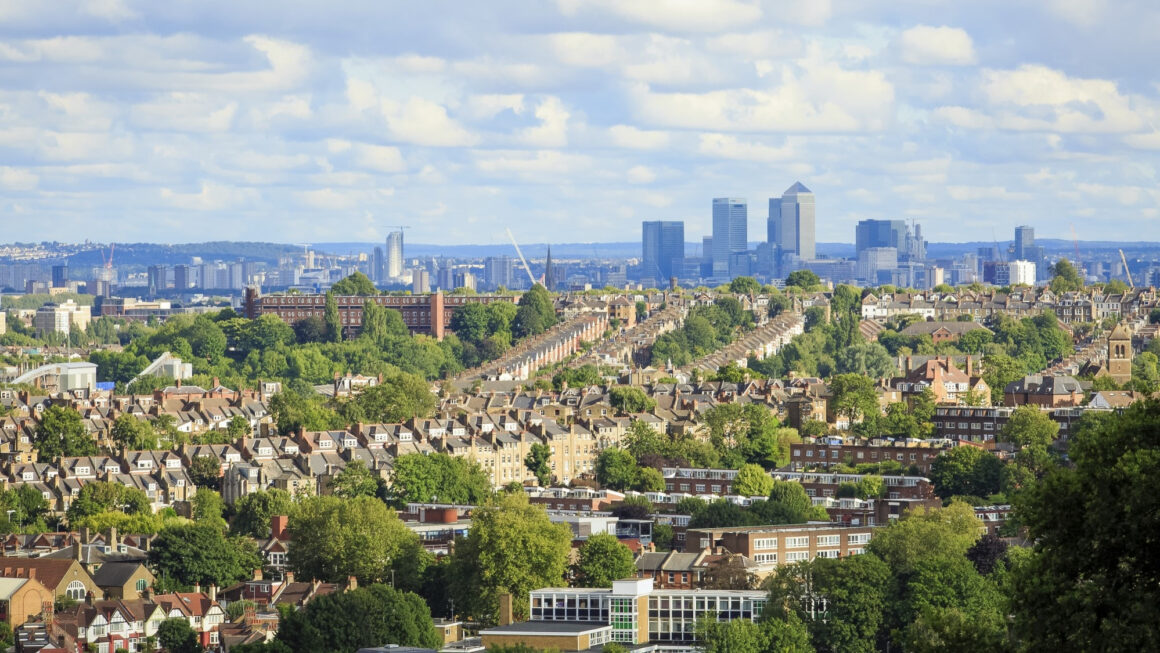
Capital’s Growth Engine ‘Stalled’
Cllr Stephen Cowan, Chair of London Councils, offered a frank assessment of London’s economic position alongside the message of congratulations. While acknowledging the capital’s status as the UK’s primary driver of economic activity, he pointed to persistent structural weaknesses that the new government will need to address.
“London is famously the UK’s economic growth engine. Yet in contrast, it has long suffered some of the highest poverty rates in North West Europe and the capital’s productivity growth has stalled,” Cowan said. “Our challenge now is to recharge the capital and lift up the country.”
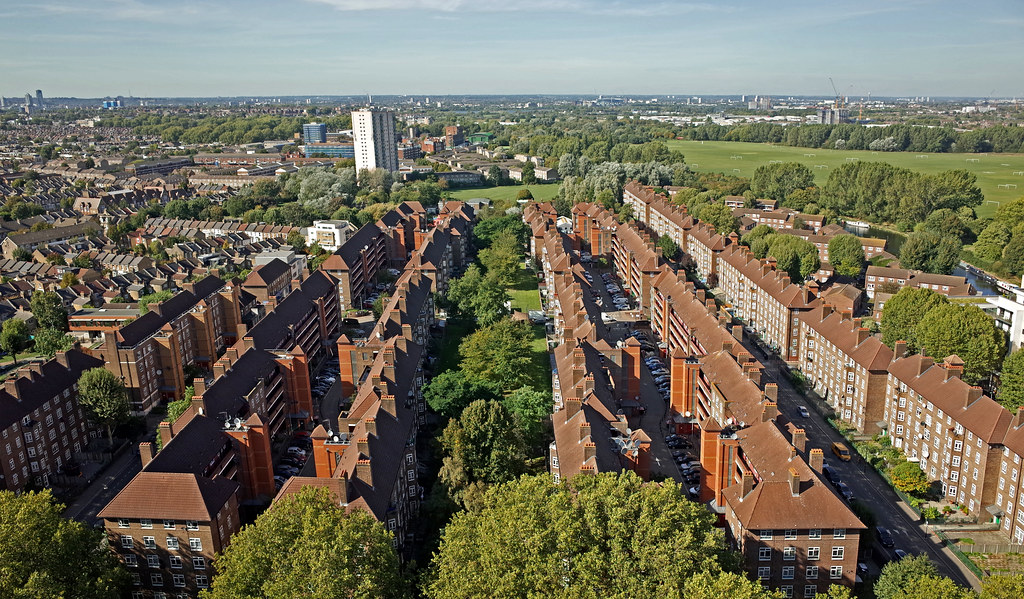
The remarks reflect a long-standing tension at the heart of London’s economic story: despite generating a disproportionate share of UK tax revenues and gross domestic product, large parts of the capital experience deep deprivation. Outer London boroughs in particular have struggled with above-average unemployment, poor transport connectivity and inadequate housing supply — issues that London Councils has repeatedly raised with successive governments.
Call for Inclusive Growth ‘From Makerfield to Merton’
Cowan expressed confidence that the new Prime Minister’s early emphasis on hope and renewal could form the basis of a productive working relationship between central and local government. He called for a “new roadmap” built around inclusive growth that reaches every part of the country.
“The new Prime Minister is absolutely right to start by offering hope of a brighter future. We know that by working together with Andy Burnham’s government, we can set out a new roadmap that builds inclusive growth and empowers communities across Britain, from Makerfield to Merton, to tackle our country’s ills,” he said.
The reference to Makerfield — a constituency in the Wigan area of Greater Manchester, close to Burnham’s political heartland — alongside the south London borough of Merton was a deliberate gesture towards the geographical breadth of the ambition London Councils says it shares with the incoming administration.
Role of London in the National Recovery
London Councils stressed that it understands the role the capital must play in service of the wider country, framing its congratulations not merely as a formality but as a statement of intent. The body regularly negotiates with central government on funding settlements, transport investment, housing targets and social care, making its relationship with Downing Street of direct practical significance to millions of Londoners.
The organisation brings together representatives from councils spanning the full political spectrum — from Conservative-controlled outer boroughs to Labour-led inner-city authorities — giving its statements a cross-party weight that individual councils cannot achieve alone. That unity was underscored in Monday’s message, with the body describing itself as “standing united” behind its offer to collaborate with the new Prime Minister.
Burnham’s transition from city-region mayor to national leader will be closely watched, not least because his tenure in Greater Manchester demonstrated how devolved powers — over transport, skills and public health — can be used to shape economic outcomes at a regional level. Whether his government will extend similar powers more broadly to English city-regions, including greater autonomy for London’s boroughs, is likely to become an early test of his administration’s approach to levelling up ambitions.